Skip to content
(920) 655-2193|Serving Green Bay & Northeast Wisconsin
Rise & Grind Concrete
Get My Price
Learn · Causes

Why Concrete Sinks in Northeast Wisconsin

open jointWater washoutRunoff carries soil awayice lenses push upFrost heave & thawIce lifts it, thaw drops itover-digBackfill settlesLoose fill by the foundation
open joint
Water washout
Runoff carries soil away
ice lenses push up
Frost heave & thaw
Ice lifts it, thaw drops it
over-dig
Backfill settles
Loose fill by the foundation
The short answer

Concrete in Northeast Wisconsin sinks because the soil under it moves, not because the concrete fails. Water washes fine soil out through open joints, clay-heavy ground swells and softens through freeze-thaw, and loose backfill beside foundations settles for years. Your house sits on footings at least 48 inches down; your slabs sit on a few inches of gravel.

By Rob Diederich, owner · Updated
Sunken concrete & liftingBy , ownerPublished 5 min readSinking & voids
In this article (6 sections)

Most of the sunken concrete we see is still good concrete. It's sitting lower than it used to because something changed underneath it. Knowing which cause is at work tells you how to fix it and how to keep it from happening again.

Water washout

Roof and downspout water runs into open joints and carries fine soil out from under the slab. The slab drops into the hollow.

Fix: We seal the joints, and point out downspouts that need extending.

Freeze-thaw

Clay-heavy Green Bay soil holds water. Every winter it freezes, swells and thaws softer, loosening the base a little more each year.

Fix: Sealed joints keep water out of the base, which is what freezes.

Settling backfill

The soil pushed back against a new foundation is rarely compacted well. Anything sitting on it settles for years after the house is built.

Fix: Foam fills the voids and stiffens the zone under the slab without adding weight.

Thin or loose base

Some slabs were poured on a thin or poorly compacted base. Gaps under the slab let it settle at joints and corners.

Fix: Foam fills the gaps and supports the slab across its whole footprint.

1. Water washes the base out

Concrete is poured in sections with joints between them. When those joints aren't sealed, rain, snowmelt and downspout water run straight down through them. Moving water carries fine sand and silt with it. Over a few years, that leaves a hollow under the slab edge, and the slab drops into it.

Look at where your downspouts empty. A downspout dumping onto a driveway or patio edge is the most common single cause of a sunken corner.

2. Freeze-thaw keeps loosening the soil

Clay-heavy soils common around Green Bay hold water. When that water freezes it expands and can lift the slab slightly; when it thaws, the soil underneath is wetter and softer than before. Repeat that every winter and the base gradually loosens, especially at joints and edges where water gets in.

3. Backfill settles next to the house

When a house is built, the basement hole is dug wider than the foundation, then the extra space is filled back in. That fill is rarely compacted as well as undisturbed soil. It settles for years, and anything sitting on it, like the garage apron, front walk, stoop or a patio along the house, settles with it. That's why so many homes under ten years old already have a drop at the garage.

4. Other causes

  • Tree roots that pull water out of the soil in dry summers, or pushed a slab up (that one needs grinding or replacing, not lifting).
  • Leaking water lines or broken drain tile under a slab.
  • Burrowing animals under patios and stoops.
  • Stumps, form lumber or other construction debris buried under the slab that rots away and leaves a void.
  • A thin or missing gravel base when the concrete was poured.

Why the house doesn't sink but the slabs do

Wisconsin's building code puts house footings at least 48 inches below grade, below the frost line (SPS 321.16). Driveways, walks, patios and most stoops sit on a few inches of gravel on top of the soil, so they ride every freeze, thaw and washout that the house is built below. That's why a sunken slab next to the house is rarely a foundation problem.

48″HouseStoop, patio or walkOn a few inches of base,right on the backfillBackfillDug out for the basement, pushedback in and rarely compacted.It settles for years.48″ below grade: below the frost lineFooting on undisturbed soilThe house doesn't move; the slab beside it can.
48″House1234
  1. Stoop, patio or walk. On a few inches of base, right on the backfill.
  2. Backfill. Dug out for the basement, pushed back in and rarely compacted. It settles for years.
  3. 48″ below grade: below the frost line.
  4. Footing on undisturbed soil. The house doesn't move; the slab beside it can.
The house sits on footings at least 48 inches below grade, below the frost line. A stoop, patio or walk beside it sits on the loose backfill from the basement dig.

What stops it

  1. 1Lift what sankFoam lifting fills the voids and raises the slab without adding weight to soft soil.
  2. 2Seal the jointsJoint sealing closes the path water uses to wash the base out.
  3. 3Move the waterExtend downspouts away from slabs and keep the ground sloping away from the house.
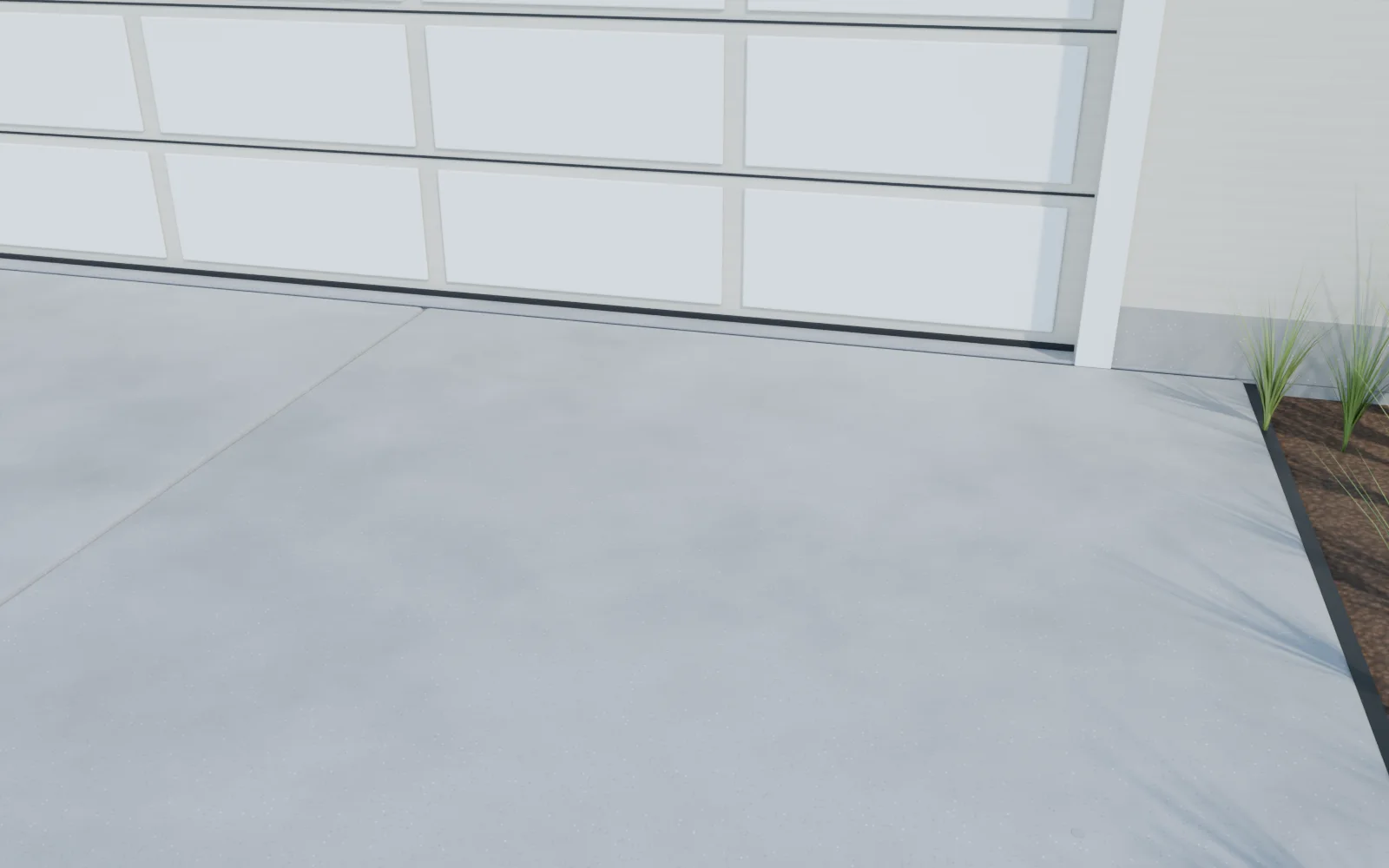
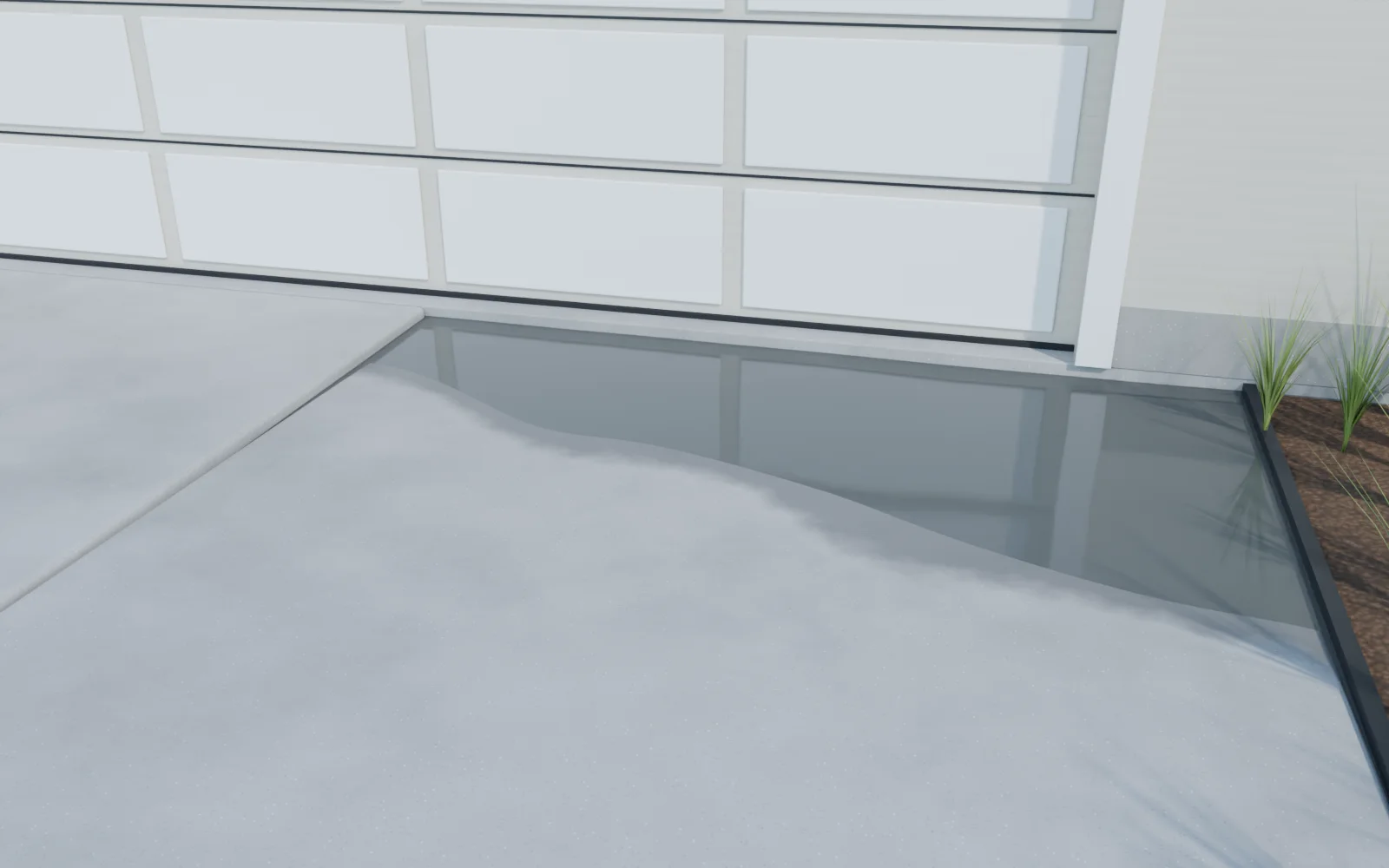
3D render of a driveway slab sunk at the garage door with water pooled against the door, before and after foam lifting — afterLevel, joint sealed
3D render of a driveway slab sunk at the garage door with water pooled against the door, before and after foam lifting — beforeLip and puddle at the door
3D render
The slab dropped at the garage door, leaving a lip and a puddle against the door. Lifted, it meets the garage floor and its neighbors again, the holes are patched and the garage joint is sealed. Drag the slider.

How the lift itself works, step by step: how foam concrete lifting works.

Sources

  1. Wisconsin Admin. Code SPS 321.16: frost protection for footings
Questions

Common questions

Is sinking concrete a sign of a foundation problem?

Usually not. Driveways, walks and patios sit on shallow soil, while Wisconsin's building code puts house footings at least 48 inches below grade, below the frost line. A sunken slab next to the house is almost always settled backfill, not foundation movement. Cracks in the foundation walls themselves are a different question for a foundation specialist.

Why does new concrete sink?

Newer homes often have driveway aprons, walks and stoops sitting on backfill from the basement dig. That fill settles for several years after construction, and the concrete on top settles with it.

Keep reading

Related

Polyurethane foam lifting
Concrete Leveling

Sunken sidewalk, driveway, patio or steps? We lift concrete with foam through dime-size holes. Drive on it the same day. Send photos for a free quote.

Protect the repair
Crack & Joint Caulking

Seal driveway joints, cracks and the gap at your foundation with flexible polyurethane sealant. Keeps water and salt out. Free photo quote.

Learn · Maintenance
Spring Concrete Checklist

What to check on your driveway, walks, patio and garage floor after a Wisconsin winter, and which problems get worse if you wait.

Get your price from a few photos

Send three phone photos and a quick measurement. You'll get a firm price by text or email within 24 hours, no site visit needed for most jobs.

Get My PriceCall (920) 655-2193